
East Nusa Tenggara Province Learn more about East Nusa Tenggara Province
-
Indonesian Bajawa Flower Goddess | East Nusa Tenggara Province | Manggarai Flores Manggarai
Professional coffee knowledge exchange For more coffee bean information, please follow Coffee Workshop (WeChat public account: cafe_style) Indonesian Coffee | Bajawa Flower Goddess Manggarai Flores Manggarai Bajawa Island Profile: Total planting area is only 2,883 hectares, with an annual production of only 2,242 tons. Growing Region: Indonesia East Nusa Tenggara Province / Flores Island Manggarai Region small farmers Varieties
2018-10-01 Indonesia Bajawa Flower Goddess East Nusa Tenggara Province Manggarai Flores Coffee -
Indonesian Coffee Brands Introduction to Famous Indonesian Coffee Brands

Professional coffee knowledge exchange For more coffee bean information Please follow Coffee Workshop (WeChat official account cafe_style ) Currently Indonesia is one of the world's largest coffee-producing countries with about 2 million farmers and traders making a living from it For the Indonesian people coffee is not only a beverage but has also become a culture and lifestyle Indonesia has many coffee varieties that are renowned worldwide
2018-08-06 Indonesia coffee brands famous introduction -
What is the taste of Indonesian Java coffee? What are the characteristics of Java coffee? What about Indonesian Java coffee

Professional coffee knowledge exchange. For more coffee bean information, please follow Coffee Workshop (WeChat official account cafe_style). What is the taste of Indonesian Java coffee? What are the characteristics of Java coffee? What brands does Indonesian Java coffee have? Currently, Indonesia is one of the world's largest coffee-producing countries, with about 2 million farmers and traders making a living from it. For the Indonesian people, coffee is
2018-09-17 Indonesia Java coffee taste how what characteristics -
Arabica Coffee Bean Varieties Classification - Arabica Coffee Bean Characteristics - Arabica Coffee Bean Price

Professional coffee knowledge exchange and more coffee bean information. Please follow Coffee Workshop (WeChat public account: cafe_style). Classifying coffee from a genetic perspective has always been a complex matter. For the coffee varieties available on the market, the most basic classification is of course divided into Arabica coffee beans and Robusta (hereinafter referred to as "Robusta beans")! Today, we'll mainly discuss Arabica.
2018-08-18 Arabica coffee beans varieties classification characteristics price -
Indonesian Coffee Bean Brands Recommendations_Authentic Indonesian Coffee Brewing Methods_What Are the Indonesian Coffee Bean Brands
Professional coffee knowledge exchange for more coffee bean information please follow Coffee Workshop (WeChat public account: cafe_style) From west to east, Indonesia consists of more than 17,000 large and small islands, scattered like jade along the Earth's equator. Its brilliance and charm are difficult to describe in a few words. Indonesians never use filter cloths, filter paper, or filter cups when brewing coffee. A sip of coffee will contain some mixed coffee grounds in your mouth.
2018-09-13 Indonesia Coffee Beans Brand Recommendations Authentic Coffee Brewing Methods What -
Complete Guide to Coffee Varieties | Introduction to Ancient Coffee Varieties, Heirloom and Mutation Varieties with Flavor Characteristics
Coffee has over one hundred varieties, with common ones including: Arabica, known for its distinctive personality and unique flavors, is the mainstay of specialty coffee, primarily used for café operations and high-end coffee market supply; Robusta, with rough flavors and high caffeine content, is not considered specialty coffee and is often used for instant coffee processing and espresso bean blending. Ethiopia Typi
2016-04-22 SCAA ancient coffee varieties introduction Ethiopia Typica -
Coffee Bean Quality Standards: A Behind-the-Scenes Look at Coffee Production and Local Consumption Practices
Professional barista knowledge exchange. Follow Coffee Workshop (WeChat official account: cafe_style) for more coffee bean information. Every time we purchase coffee, we maintain our high standards for in-house roasting and do not allow any defective beans. Of course, the coffee beans presented to consumers are plump and full, with sweet aftertaste and prominent fruit aroma. Everyone might wonder if the coffee beans we purchase are always of such high quality? Of course not. The coffee beans we encounter are selected from hundreds or even thousands to achieve such high quality. So what about those lower quality beans? They are naturally left for consumption in producing countries! Because the good ones are exported for foreign exchange—that's most important! Want to know what kind of coffee locals drink? Let me take you to see— In Laos, we had the opportunity to visit a local roasting facility. They use raw materials that are substandard or even lower-grade coffee beans that we wouldn't use. The probability of finding stones and other debris can be said to be quite high—if you grab a handful of raw coffee beans, there's a certain proportion of foreign matter or defects. Look at this bag of raw beans—the colors inside are truly varied—notice there are black beans, insect-damaged beans, moldy beans, branches, small stones... Take a closer look. See that? There are also moldy beans with parchment... Look even closer. I would never dare to use these beans— And here's our star ingredient... This bucket of butter is the fragrant star that makes the coffee! Before putting the coffee in the roasting pan, they scoop a ladle of butter. As the butter heats, it coats the outside of the coffee beans. After cooling, this layer of oil is absorbed into the coffee beans. When brewing coffee, it's released when heated. This way, the coffee you drink will have a rich milky aroma! (Just imagine the taste of fermented butter after the coffee sits for a while...) Here we discovered an "international scandal"—the white rice donated by our Red Cross to Laos was actually sold by local government officials to private roasting facilities. What for? It turns out the rice aroma is used to cover up the miscellaneous flavors in coffee. I heard that the more white rice mixed in, the more fragrant the taste— The words "Taiwan World Vision" are still displayed on the packaging bags— As soon as the roasting is complete and cooled, it's ground into powder. So the appearance doesn't need to be too good (the grinders are even rusty). What surprised me most was that they actually use cypress wood (that pile in the middle, in pieces) as firewood—such a waste! (Laos is rich in timber, so wood we consider precious they probably think nothing of!) I really wanted to sneak back a few pieces— The wood is ignited here and then dragged inside and placed under the roaster for roasting. Raw beans are poured from this opening. They can roast 100 kilograms at a time— Close-up of the bean inlet. Full view of the roasting machine. The person on the far left is the roaster, he's explaining the roasting process... ALAN introduces the local coffee culture to everyone at the entrance. He said this roasting facility is the second largest in the area. The grade of coffee is determined by how much white rice is mixed in (who would have thought white rice would be used this way here). FrontStreet Coffee: A roastery in Guangzhou with a small shop but diverse variety of beans, where you can find various famous and lesser-known beans, while also providing online shop services. https://shop104210103.taobao.com
2018-08-31 coffee quality standards production local consumption roasting defective beans Laos -
Coffee Classification and Flavor Characteristics_ Benefits of Common Coffee Varieties and Prices with Pictures
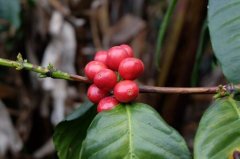
Professional coffee knowledge exchange for more coffee bean information please follow Coffee Workshop (WeChat official account cafe_style) In this era of prevailing petty bourgeois sentiment and life rituals, coffee culture is gradually entering people's lives, and unground coffee beans are also gradually becoming familiar to the public. Whether it's instant coffee or high
2025-06-27 coffee classification flavor characteristics benefits common varieties price pictures -
Characteristics and Story of Indonesian Sumatra Mandheling Coffee Beans: Pour-Over Temperature, Ratio, and Grind
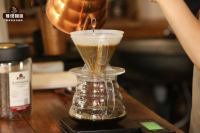
Professional barista exchange please follow Coffee Workshop (WeChat official account cafe_style) Product: Cupping score 87 Indonesian Sumatra Blue Lake Batak Triple Handpicked Region: Sumatra Lake Toba (Toba Lake) area Variety: Typica, Catimor Producer: Coffee growers near Lake Toba
2025-08-16 Sumatra Mandheling pour-over parameters temperature coffee ratio grind flavor description -
East Java Coffee from Indonesia | Smallholder Farms | Wet-Hulled Method

Professional coffee knowledge exchange For more coffee bean information Please follow Coffee Workshop (WeChat official account cafe_style ) East Java - Smallholder Farms Variety: S795 (Typica hybrid arabica) Typica-hybrid Arabica Producer: Independent smallholder coffee farmers in East Java Altitude: 900-1600m Processing: Wet-Hulled Method Most Java coffee is produced by the Indonesian government
2018-09-26 Indonesia Java coffee smallholder farms wet-hulled professional knowledge exchange -
What are the famous African coffee beans? How to drink African coffee? Which African coffee brands are good?
Professional coffee knowledge exchange For more coffee bean information please follow Coffee Workshop (WeChat official account cafe_style) African coffee is mainly distributed in the long and narrow East African plateau region starting from Yemen and Ethiopia in the north then branching into coastal Kenya and Tanzania as well as the three heartland countries of Africa Uganda Rwanda Burundi and finally reaching Malawi in the southmost part forming a stretch of thousands
2018-09-17 Africa famous coffee beans what coffee how which brand -
Flavor Profile, Growing Region, and Brewing Parameters for Burundi Kayanza Province Natural Process Bourbon Specialty Coffee Beans

Professional barista exchange: Please follow Coffee Workshop (WeChat official account: cafe_style). Burundi Kayanza Kabuye Natural Country: Burundi Growing altitude: 1750 meters Region: Kayanza Kabuye Roast level: Medium roast Processing method: Natural process Burundi is located in the south of the equator in east-central Africa. It borders Rwanda to the north, Tanzania to the east and south, and
2017-05-12 Burundi Kayanza Province Natural Process Bourbon specialty coffee beans flavor profile characteristics -
Rwanda Western Province | Mushonyi Processing Station Batch Washed Bourbon

Rwanda is a rapidly developing specialty coffee-producing country in East Africa, with remarkable improvements in specialty coffee quality. This coffee batch is selected from the Mushonyi Processing Station in the Rutsiro region, located north of Nyamasheke along the shores of Lake Kivu. Rwanda Western Province | Montséha Processing Plant & Mushonyi Processing Station Collaboration Batch | Natural Processed Bourbon Flavor? Exceptional Geographical Conditions
2019-03-07 Rwanda Western Province Mushonyi Processing Batch Washed Bourbon Rutsiro -
Rwanda Western Province | Mushonyi Processing Station & Coko Washing Station Collaborative Lot | Natural Process Bourbon

Professional coffee knowledge exchange. For more coffee bean information, please follow Coffee Workshop (WeChat official account: cafe_style). Rwanda Western Province | Mushonyi Processing Station & Coko Washing Station Collaborative Lot | What are the flavor characteristics of this Natural Process Bourbon variety? Rwanda is a rapidly developing specialty coffee producing country in East Africa, with remarkably fast improvements in specialty coffee quality. This coffee bean lot is selected from Mushonyi Processing Station and Coko Washing Station, showcasing the collaborative efforts of these facilities in producing exceptional natural process Bourbon coffee beans.
2018-11-03 Rwanda Western Province Mushonyi Processing Station Coko Washing Collaborative Lot Natural Process Bourbon -
Brief History of Burundi Kayanza Province Natural Bourbon Specialty Coffee Bean Origins and Cultural Development
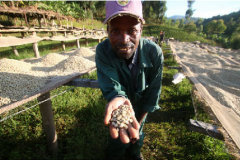
Burundi has one of the world's most diverse and successful coffee industries, with its own unique characteristics. The country's coffee was introduced by Belgian colonizers in 1930 and is now grown only on small farms. Unfortunately, many of these farms are located in areas bordering the conflict-prone Rwanda, which puts pressure on coffee production. The coffee produced in Burundi is characterized by
2017-05-05 Burundi Kayanza Province Natural Bourbon Specialty Coffee -
Cultivation and Geographic Location of Specialty Sun-Dried Bourbon Coffee Beans from Kayanza Province, Burundi
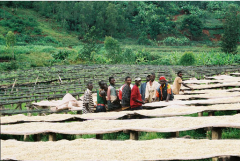
Burundi is located in east-central Africa, south of the equator. It borders Rwanda to the north, Tanzania to the east and south, the Democratic Republic of Congo to the west, and shares a southwestern shoreline with Lake Tanganyika. The country is characterized by high plateaus and mountains, with most of its territory consisting of the eastern plateau of the Great Rift Valley. With an average elevation of 1,600 meters nationwide, Burundi is known as the "land of mountains." More than half of the country is situated along the famous Lake Tanganyika.
2017-05-05 Burundi Kayanza Province sun-dried Bourbon variety specialty coffee -
V60 Pour-Over Parameters Recommendation for Natural Process Bourbon Specialty Coffee from Kayanza Province, Burundi
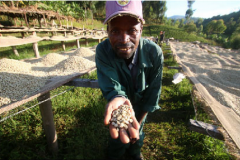
Professional barista communication, please follow Cafe Style (WeChat official account: cafe_style). V60 pour-over Burundi coffee. 15g coffee grounds, medium grind (Fuji ghost tooth grinder setting 4), V60 dripper, 88-89°C water temperature. First pour 30g water for 27-second bloom, pour to 105g then pause. Wait until the water level drops halfway, then continue slow pouring until reaching 225g. Avoid the tail end.
2017-05-08 Burundi Kayanza Province Natural Process Bourbon Specialty Coffee -
Introduction to Coffee Growing Regions, Varieties, and Industry Development in Myanmar, Asia
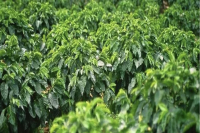
In Asia, there are many coffee-producing countries such as Laos, Indonesia, East Timor, Thailand, China, and Myanmar. Myanmar (The Republic of the Union of Myanmar) is a Southeast Asian country bordering the Andaman Sea and the Bay of Bengal to the southwest.
2025-02-16 Myanmar coffee Asian coffee production coffee growing regions coffee varieties Myanmar coffee industry -
Burundi Kayanza Province Natural Bourbon Specialty Coffee Beans: Varieties, Brand Recommendations, and Estate Guide

Professional barista exchange - follow Coffee Workshop (WeChat ID: cafe_style). Bourbon coffee (French: Café Bourbon) is coffee produced from Arabica coffee trees of the Bourbon cultivar. Bourbon coffee was originally cultivated in Réunion, which was called Bourbon Island (le Bourbon) before 1789. It was later occupied by the French, connecting it with the African continent and Latin
2017-05-12 Burundi Kayanza Province natural process Bourbon variety specialty coffee -
Where Are Kenyan Coffee Beans Grown? The Lingering Acidity of Kenyan Coffee
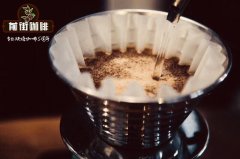
Professional coffee knowledge exchange For more coffee bean information please follow Coffee Workshop (WeChat public account: cafe_style) FrontStreet Coffee - Introduction to Kenyan Coffee Kenya is an important force in the East African coffee growing region, excelling in both coffee quality and business strategy. The excellent coffee produced here features clear, bright, and elevated flavors that resonate throughout the entire palate.
2020-02-25 Kenya coffee beans origin where coffee acidity lingering aroma
Editor's Pick Today

Most Read This week
Hot Tags
-
drip coffee
Blue Mountain Coffee
Specialty coffee beans
moka pot
Flat white coffee
Coffee Latte
iced drip coffee
ICE-DRIP
Water Drip Coffee
ice drip coffee
Dutch Coffee
Huakui coffee
Yunnan Coffee
hand ground coffee
ground coffee
Yirgacheffe
pour-over coffee
geisha coffee
coffee bean
Coffee website
You May Like
- Guatemala | Huehuetenango | Finca El Injertal Mixed Variety Washed
- How Many Classifications Are There for Gesha Coffee Beans? What Do the Different Grades Like Gold Label, Red Label, Green Label, and Blue Label Mean?
- Are Cold Brew and Cold Drip the Same Thing? Recommended Single-Origin Coffee Beans for Cold Brew
- How to make bubble ice American so that it will not spill over? Share 5 tips for making bubbly coffee! How to make cold extract sparkling coffee? Do I have to add espresso to bubbly coffee?
- Washed Geisha vs Natural Geisha: Flavor Differences Between Panama Hacienda La Esmeralda's Washed and Natural Geisha
- luckin Coffee Calorie Ranking - Luckin New Product Review: Are the Green Grape Oat Latte and Thick Milk Latte Delicious?
- Natural Geisha Comparison: What's the Difference Between Panama Hacienda La Esmeralda's Natural Blue Label and Green Label?
- Well-known tea brands have been exposed to the closure of many stores?!